In this article, we will take a closer look at the entire process of professional coin grading, starting with an explanation of some basic terms.
GRADING – The English word GRADING could be translated as marking, classification, or sorting. In the field of collecting, it refers to the professional evaluation and determination of the condition of coins, banknotes, and other collectibles.
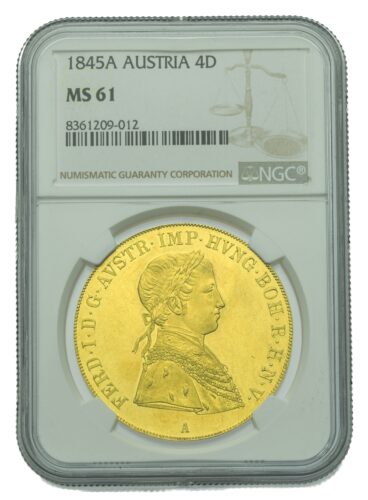
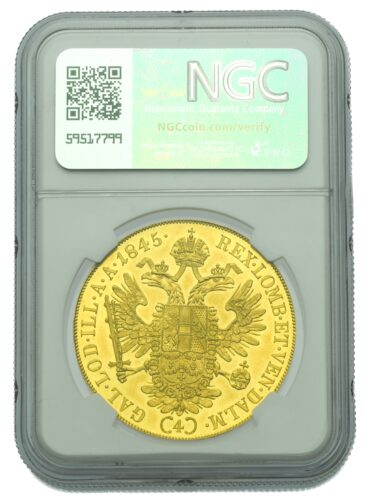
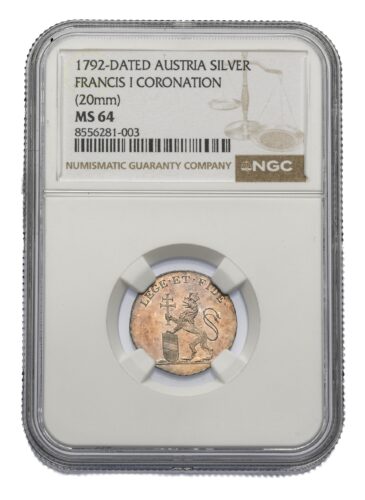
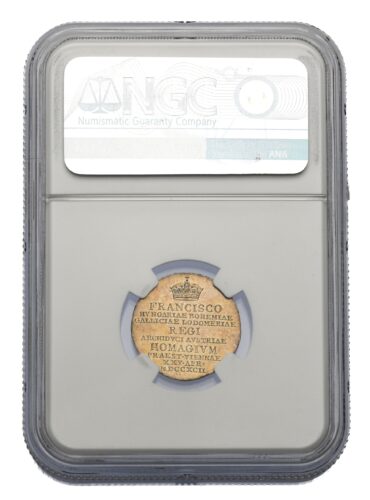
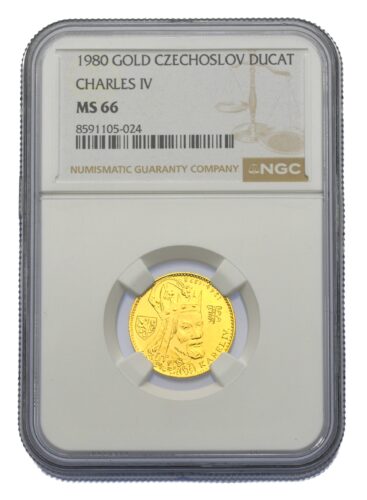
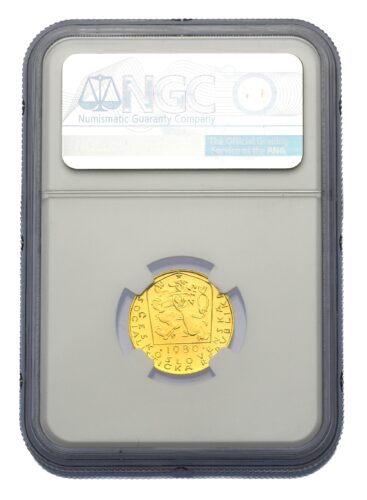
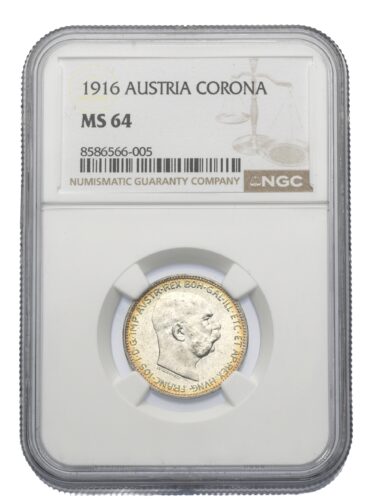
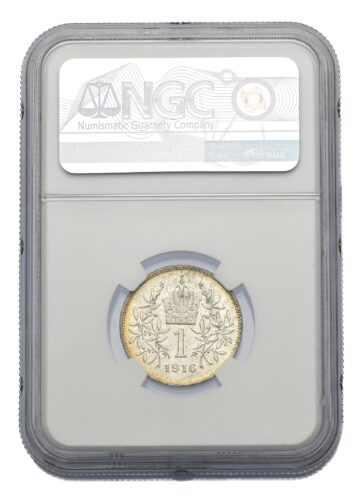
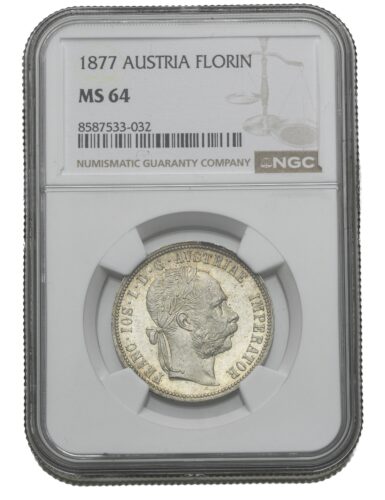
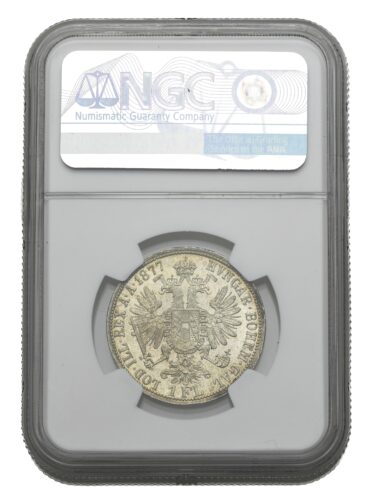
SLAB – This is the name of the plastic case in which the coin is enclosed and which cannot be opened without visible damage.
SLABBING – This is the process of encapsulation. The coin is professionally stored and enclosed in a plastic case (slab).
Expert evaluation and certification
The result of the expert evaluation of a coin and assessment of its condition is certification. The evaluation guarantees and declares that the collectible coin or banknote has undergone a thorough, multi-stage process of authenticity and condition verification. Each coin is checked and evaluated by several experts, independently of each other.


The coin classification process itself includes:
- multi-stage verification of the coin’s authenticity (collectible item)
- evaluation of the coin’s collectible condition
- encapsulation in a special tailor-made plastic case that cannot be opened by standard means
The entire coin evaluation process is carefully and systematically monitored. Each coin is assessed in three (independent) stages of inspection. If necessary, an additional and final inspection of the coin is carried out by the most experienced supervisor of the certification authority.
It is important to remember that coin certification is carried out by a specific person and that each evaluation is therefore subjective to a certain extent. However, thanks to the high level of expertise, experience, and involvement of a large number of experts, coin certification can be considered an objective assessment of its condition.
Comprehensive coin inspection that misses nothing
Experienced experts focus on every detail when assessing a coin. Therefore, no repairs or surface changes to the coin escape their attention. The experts at the certification authority will detect professional removal of the ear or clip, as well as cleaning or polishing of the surface or additional modification of the year. Such fraudulent alterations to coins are intended to deceive less experienced clients. An example of this is the additional modification of St. Wenceslas ducats, where a counterfeiting workshop uses less rare St. Wenceslas ducats minted in 1933, modifies them, and passes them off as the rare 1930 edition.
Important notices:
Never remove the coin from its case
If the plastic case is damaged, whether due to improper handling or scratching, do not remove the coin from the Slab. In such a case, it is possible to send the case back for a so-called Re-GRADE, during which the coin will be placed in a new case with confirmation of the condition, quality, and authenticity of the coin.
Never clean or chemically treat coins
Coins undergo a triple inspection process. In the vast majority of cases, this will reveal any surface treatments applied to the coin, such as cleaning, patination, or chemical treatment of its surface. Any additional changes to the surface of the coin will be reflected in its final evaluation, naturally in a negative way.
Have your own coins appraised
Professional coin classification is not only useful for easily and safely purchasing coins of guaranteed quality. You can also use it to have your own coins professionally appraised, giving you certified coins whose condition, quality, and authenticity you won’t have to convince anyone of. Such coins are highly sought after on the collectors’ market, and the entire process of selling a coin is easier and faster thanks to certification. Professional certification will also help you better assess the market value of a coin – you can easily see the prices at which coins of similar quality have been and are being sold.
The coin evaluation process usually takes 7 to 8 weeks
The length of the coin evaluation process depends on the certification authority’s workload. Coins are sent to the US for classification, but in most cases the entire process takes no longer than 7 to 8 weeks, including shipping. Some collectors are reluctant to send their coins on such a long journey. Therefore, it is important to emphasize that all coins are fully insured according to their market value. There is therefore nothing to worry about. In the event of a coin being lost, although the risk of such a loss is minimal, you are 100% guaranteed to receive the full insurance amount for the coin.
Numismatic Guaranty Company – NGC®
One of the largest companies in the world for independent verification of authenticity and evaluation of the condition of coins is the American organization Numismatic Guaranty Company. Each coin that has been certified by NGC is assigned a unique barcode, which allows you to verify the coin and its authenticity using a special application. In addition to the barcode, the plastic case also features the coin’s designation (including the year of minting) and, most importantly, its grade. This is essential from a numismatic point of view and expresses the quality of the coin’s condition.
Are you interested in having your coin GRADED (professionally evaluated)?
Please contact us. We will first professionally evaluate your coin (not all coins are suitable for certification) and then recommend the next steps. If you decide to have your coin professionally graded, we will fill out a simple form together and add detailed photos of the selected coins. We will guide you through the entire certification process and advise you on shipping and insurance for your coins. We have been in the numismatics business for many years and are happy to share our wealth of experience with you.
Please do not hesitate to contact us for more information.